Asked about damp and the sea air
How do we look after a cottage left empty over winter?
Answered by Asked in Ayrshire · Updated · Sources at the foot
To look after a cottage left empty over winter, keep low, steady heat on a frost or holiday setting, have someone check it regularly, know where the stopcock is, and keep damp in check.
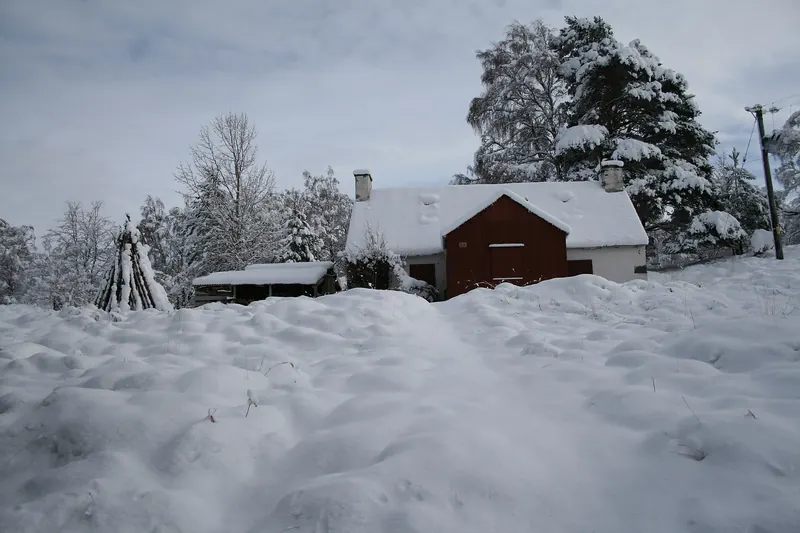
Holiday cottages on the Ayrshire coast, inherited farm cottages and houses between tenants all face the same winter problem. Nobody is there to notice a frozen pipe, a dripping joint or mould creeping across a cold bedroom wall until the damage is done.
The two risks are water and damp. Both are much smaller in a house that stays a little warm and gets looked at often.
How warm should an empty cottage be kept?
Warm enough to protect the pipes and slow condensation. East Ayrshire Council's frost advice says that if you leave your home empty for a few days in winter, you should leave the central heating on at the frost setting and leave a key with someone who can keep an eye on the house.
Heat also matters for damp. The Scottish Government's guidance on condensation in traditional buildings notes that a building heated only now and then is significantly more likely to suffer condensation.
What about a heat pump or a smart thermostat?
Use the frost protection or holiday setting. Home Energy Scotland's guide to living with a heat pump suggests these settings for longer absences, to help stop pipes freezing while you're away and to cut energy use.
A thermostat you can check from your phone shows the temperature, but it won't tell you about a burst pipe. It is a help, not a substitute for someone calling in.
What should be done before leaving?
Find the stopcock, check it turns, and label it; East Ayrshire Council notes it is usually under the sink. In an old farmhouse it can be somewhere else entirely, so see where the stopcock is in an old farmhouse. Ask a plumber whether draining down any part of the system suits your house, especially pipes to outbuildings or outside taps.
Lagging pipes in the loft and under floors helps reduce the risk of freezing; stopping pipes freezing in an exposed house covers that. Have the oil boiler serviced before winter, and check the tank, since an empty house with a full tank can attract thieves; see how to stop heating oil being stolen.
Is it safe to light the stove when we get back?
Check first if it has a back boiler. Scottish Fire and Rescue Service warns that in cold weather the pipes feeding stoves and back boilers can freeze, and pressure can build up inside the boiler and could cause an explosion. It advises running the hot tap before lighting up; if no water comes out, don't light the fire or stove, and call a heating engineer to defrost the pipes.
The same page says a carbon monoxide detector should be fitted in any room with a carbon-fuelled appliance, which is now a legal requirement in homes in Scotland. Test it on arrival.
How do we keep the damp down while it's empty?
Leave a small gap between furniture and outside walls, as Home Energy Scotland suggests. Don't leave wet towels or washing drying indoors when you go. Open trickle vents if the windows have them.
If damp appears anyway, is it condensation or rising damp helps you work out the cause.
What to look at first
- The heating: on a frost or holiday setting, not switched off.
- The stopcock: found, labelled and turning freely.
- A key holder who can call in, with your number and the stopcock location.
- The carbon monoxide alarm: working, and tested on each visit.
- The oil tank: level noted and cap locked.
Yours to do, and theirs
You can
- Set the heating to frost or holiday mode and arrange regular visits.
- Find and label the stopcock, and leave clear notes for the key holder.
- Run the hot tap before lighting a stove with a back boiler.
Leave to them
- Draining down the water system is for a qualified plumber.
- Servicing the boiler is for an OFTEC-registered technician (oil) or Gas Safe registered engineer (gas or LPG).
| Item | Before you leave | On each visit |
|---|---|---|
| Heating | Frost or holiday setting | Check the house feels slightly warm |
| Water | Stopcock found and labelled | Look and listen for drips or wet patches |
| Stove with back boiler | Let the fire go out fully | Run the hot tap before lighting |
| Damp | Furniture off outside walls, no washing left drying | Check corners, wardrobes and window reveals |
Safety first
If water is coming through a ceiling, turn off the stopcock and keep away from wet sockets and light fittings. Don't light a stove with a back boiler if the hot tap runs dry. If a carbon monoxide alarm sounds, get everyone out into fresh air, leave doors open and don't go back in. Call from outside: 0800 111 999 for a mains-gas appliance, the LPG supplier's emergency number for LPG, and 999 if anyone is unwell. Have the appliance checked by a Gas Safe, OFTEC or HETAS registered person before it is used again.
In short
Keep an empty cottage on low, steady heat with a frost or holiday setting rather than switching it off, and have someone call in. Know where the stopcock is, check the stove's water before lighting it, and keep air moving to hold damp down.
Also asked about this
Is it cheaper to switch the heating off completely?
It may save fuel, but East Ayrshire Council advises leaving the heating on the frost setting when the house is empty in winter.
How often should someone check an empty cottage?
Check your home insurance wording for empty homes and arrange visits to match; East Ayrshire Council's advice is to leave a key with someone who can keep an eye on the house.
Can we thaw a frozen pipe when we arrive?
East Ayrshire Council suggests turning off the stopcock and applying gentle heat, such as a hair dryer on low or a hot-water bottle, never a flame.
Do we need to tell the insurer the cottage is empty?
Check your policy wording for homes left unoccupied, and ask the insurer before you leave if it is unclear.