Part of the house
The pipes in winter
Answered by Asked in Ayrshire · Updated · Sources at the foot
The pipes in winter are the water pipes from the boundary to the taps, and in exposed Ayrshire houses the main job is keeping them from freezing and knowing how to shut them off.
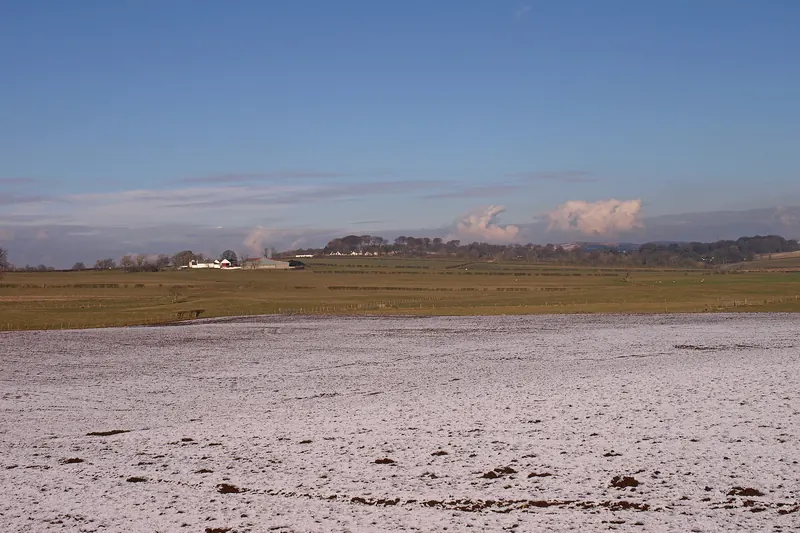
This part of the house covers the water pipes: the supply pipe that runs in from the road end or across a field, the stopcock where it enters, and the pipes that run through lofts, floors and outbuildings to the taps. In old farmhouses, cottages and steadings, those pipes often pass through cold, draughty places, which is why frost and bursts are the usual winter worry.
The main rule to know is where responsibility changes hands. Scottish Government guidance puts the dividing line at the boundary stopcock: the communication pipe up to it is Scottish Water's, and everything from there into the house is the owner's. The second rule is simple: find your inside stopcock and check it works, which the Met Office suggests doing every six months.
Scottish Water runs the public supply, and the Drinking Water Quality Regulator for Scotland oversees drinking water quality, including lead. The questions in this part cover frost, bursts, stopcocks, lead and who owns which pipe.
The 6 questions
- How do we stop pipes freezing in an exposed house?
To stop pipes freezing in an exposed house, lag every pipe in cold spaces, keep some heat on day and night, cut draughts, and know where your stopcock is before the first hard frost.
- What do we do if a pipe has frozen?
If a pipe has frozen, turn off the stopcock, open the nearest cold tap, check the pipe for splits, then thaw it slowly with hot-water bottles or warm cloths and never a flame.
- What do we do the moment a pipe bursts?
When a pipe bursts, turn off the stopcock straight away, keep away from any electrics the water has reached, switch off the boiler and water heater, then open the taps to drain the system.
- Where is the stopcock in an old farmhouse?
The stopcock in an old farmhouse is usually where the water pipe comes into the house, often under the kitchen sink, but in older and extended houses it can be in a porch, under a floor or in an outbuilding.
- Who owns the water pipe running to our house?
The water pipe to your house is split in two: Scottish Water owns the communication pipe in the street up to the boundary stopcock, and the supply pipe from there into the house is usually yours.
- How do we know if we still have lead pipes?
To know if you still have lead pipes, look at the pipe coming into the house under the kitchen sink: lead is dull grey, scratches easily to shiny silver, and may have bulges at the joints.