Part of the house
The heating
Answered by Asked in Ayrshire · Updated · Sources at the foot
The heating in most rural Ayrshire homes is an oil or LPG boiler, a heat pump or a stove, and the main rules are who may work on each and where the carbon monoxide alarm goes.
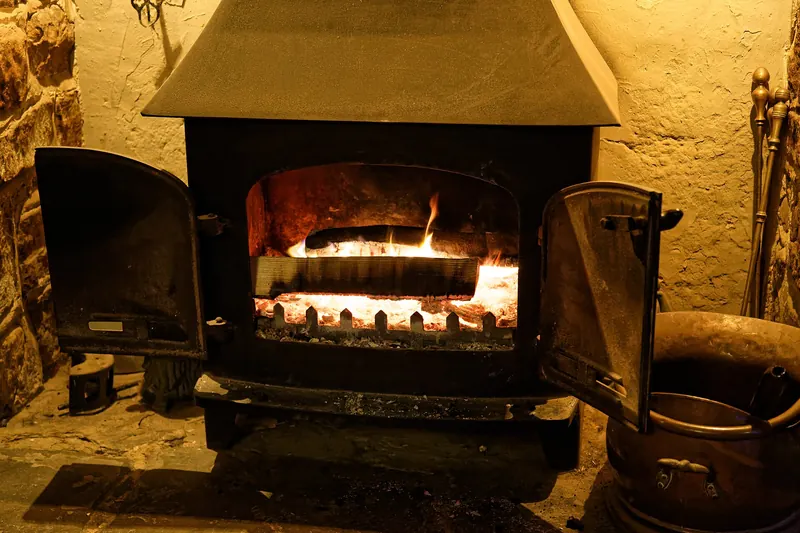
This part of the house covers how a home off the mains gas keeps warm: the oil or LPG boiler and its radiators, heat pumps, and the wood-burning stove that many cottages and farmhouses rely on when the power goes off. Thick stone walls, coastal wind and long winters shape every choice here.
The main rule to know is that every carbon-fuelled appliance needs a carbon monoxide detector in the same room, as the Scottish Government's fire and smoke alarm rules set out. The second is who may work on what: the building standards guidance on combustion appliances names the Gas Safe Register for gas and LPG, OFTEC for oil and HETAS for solid fuel. Heat pumps funded by the Scottish grant need an MCS certified installer.
Heating rules for new houses are changing faster than for existing ones. The New Build Heat Standard stops oil and gas boilers being the main heating in new builds, while existing homes can keep what they have for now. The questions in this part cover heat pumps, oil, LPG, stoves, alarms and cold radiators.
The 6 questions
- Will a heat pump work in an old stone cottage?
A heat pump can work in an old stone cottage, but only when it is designed for that house: sized from a proper heat calculation, run at low water temperatures, with the loft and draughts sorted first.
- Should we swap the oil boiler for a heat pump?
Swapping an oil boiler for a heat pump makes most sense when the boiler is near the end of its life, the house is insulated, and you can line up the Home Energy Scotland grant before any work starts.
- Is LPG or oil better for a house off the gas grid?
LPG or oil can both heat a house off the gas grid well; the better choice depends on where a tank can safely sit, who services it locally, and whether a heat pump would suit you better.
- Can we keep using our wood-burning stove?
Yes, you can keep using a wood-burning stove in an existing Scottish home: the Scottish Government says there is no blanket ban, though it should be swept, serviced and paired with a carbon monoxide alarm.
- Do we need a carbon monoxide alarm, and where?
Yes, every Scottish home with a carbon-fuelled appliance such as an oil or LPG boiler, open fire or wood burner must have a carbon monoxide alarm in the same room as that appliance.
- Why is one radiator cold when the rest are hot?
One radiator stays cold when the rest are hot usually because of trapped air (cold at the top), sludge (cold at the bottom), or a stuck valve pin (cold all over).