Asked about the heating
Can we keep using our wood-burning stove?
Answered by Asked in Ayrshire · Updated · Sources at the foot
Yes, you can keep using a wood-burning stove in an existing Scottish home: the Scottish Government says there is no blanket ban, though it should be swept, serviced and paired with a carbon monoxide alarm.
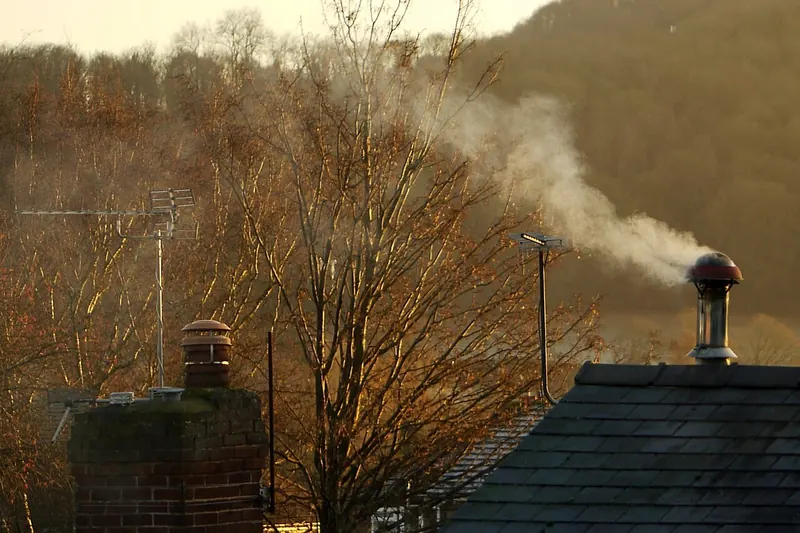
A stove is a big comfort in a cottage on a wet hillside, and in a power cut it may be the only heat in the house. There was a lot of worry in 2024 that new rules would stop people using them. That worry was mostly about new houses, and even that rule has since been relaxed.
A Scottish Government freedom of information response from October 2024 states plainly that there is no blanket ban on wood burning stoves and that they can continue to be used in existing buildings. Nothing found on gov.scot as of November 2026 changes that for existing homes.
Can new houses have a wood-burning stove?
Yes, since 1 January 2025. The New Build Heat Standard first allowed stoves in new homes only for emergency heating. The Scottish Government then announced in November 2024 that wood-burning stoves, bioenergy and peat heating would be permitted in new homes and buildings, saying it had listened to rural and island concerns about resilience in bad weather and power cuts.
The standard also lets existing buildings that are being converted, such as a steading turned into a house, use bioenergy systems. Gas and oil boilers still cannot be the main heating in a new build.
How often should the chimney be swept?
HETAS, the competent person scheme for solid fuel and biomass appliances, encourages sweeping at least twice a year when burning wood or bituminous house coal, and at least once a year for smokeless fuel. It suggests sweeping just before the heating season and again after the peak, and after a long spell unused. It recommends a HETAS Approved Sweep, and having the stove serviced alongside the sweep.
Do we need a carbon monoxide alarm with a stove?
Yes. The Scottish Government's fire and smoke alarm rules say that if you have a carbon-fuelled appliance like a wood burner, you must have a carbon monoxide detector in the same room. It does not need to be linked to the smoke alarms. Placement is covered in do we need a carbon monoxide alarm.
What should we burn in it?
HETAS warns that you cannot just burn anything in a stove: check what fuel your appliance is designed for, and what could damage it. For wood, HETAS describes firewood by log length, diameter and moisture content, so dryness matters. Store logs under cover, off the ground and open to the wind, which is rarely in short supply in Ayrshire.
Does a new stove need a building warrant?
It can. The building standards list of work not needing a warrant excludes any work associated with a chimney, flue-pipe or constructional hearth, so a new stove with a new flue or hearth may need one. See do we need a building warrant to change the heating and ask your council's building standards team before work starts.
Safety first
If the carbon monoxide alarm sounds or anyone feels headachy, dizzy or sick near the stove, get everyone out into fresh air, leave doors open behind you, and call 999 from outside if anyone is unwell. Don't go back in, and don't light the stove again until a HETAS registered engineer has checked it.
What to look at first
- Date of the last chimney sweep, and the sweep's certificate.
- A carbon monoxide alarm in the same room as the stove.
- Logs: dry, split, stored under cover with air around them.
- The stove door seal and glass: any cracks or gaps.
- Black staining or smoke leaking into the room when lit.
Yours to do, and theirs
You can
- Book a HETAS Approved Sweep before the heating season.
- Test the carbon monoxide alarm and replace it at the end of its life.
- Burn only the fuel the stove maker lists.
Leave to them
- A HETAS registered installer fits a new stove, flue or liner.
- The council building standards team says whether a warrant is needed.
| Situation | Wood-burning stove allowed? | Source |
|---|---|---|
| Existing home | Yes, no blanket ban | Scottish Government FOI, October 2024 |
| New-build home | Yes, since 1 January 2025 | New Build Heat Standard |
| Building being converted | Bioenergy may continue | New Build Heat Standard |
| Any home with a stove | CO detector in same room | Fire and smoke alarm rules |
In short
You can keep using your stove in an existing home. Sweep it as HETAS advises, burn dry fuel suited to the stove, and keep a carbon monoxide alarm in the same room. For new stoves or flues, check the warrant position first.
Also asked about this
Can a stove be the only heating in a rural cottage?
Nothing in the rules found for existing homes stops that, but a stove on its own mainly warms the room it sits in, so many people pair it with other heating; is LPG or oil better covers the main options off the gas grid.
Can we burn coal in a wood-burning stove?
Only if the maker says the stove is designed for it. HETAS advises checking which fuels your appliance is designed for.
Does a stove affect the Home Energy Scotland heat pump grant?
A stove is not funded by the heat pump grant. Ask Home Energy Scotland how a stove fits with any heat pump plans for your home.
Who should service the stove?
HETAS suggests having it serviced alongside the sweep, by a business registered for stove servicing.
Sources, checked 5 November 2026
- Scottish Government — Evidence and advice on wood burning stoves: EIR release
- Scottish Government — New Build Heat Standard factsheet
- Scottish Government — Wood burning stoves to be permitted in new homes
- HETAS — Consumer advice
- Scottish Government — Fire and smoke alarms: the law
- Scottish Government — Technical Handbook (Domestic), April 2026, 0.5 Work not requiring a warrant