Asked about the water supply
How do we know if we have a private water supply?
Answered by Asked in Ayrshire · Updated · Sources at the foot
You probably have a private water supply if your water comes from a spring, well, borehole, burn or loch rather than the Scottish Water mains, and your council tax bill carries no water charge.
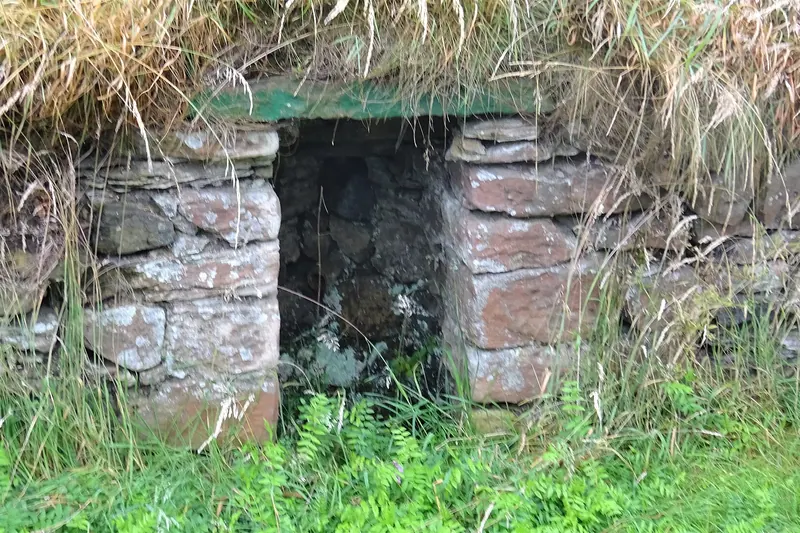
Plenty of farmhouses, steadings and hill cottages in East, North and South Ayrshire still drink from their own source. Some owners know every inch of the pipe; others buy a house and only find out when the tap runs brown after a storm.
The Scottish Government's own definition is simple. A private water supply is water that comes from somewhere other than the public mains network, such as a loch, borehole or stream. Around 3% of people in Scotland are on one, according to the Drinking Water Quality Regulator.
What does the council tax bill tell you?
The bill is often the quickest clue. Citizens Advice Scotland explains that water and sewerage charges are normally collected with council tax, and that a household on a private supply doesn't pay Scottish Water for that water.
If your bill shows no water charge at all, that points strongly to a private source. A missing sewerage charge on its own usually means a septic tank instead, which is a different question covered on the septic tank pages.
Where does the pipe come from?
Walk the ground and look for the source. Common signs on Ayrshire farms are a stone or concrete collection chamber on a hillside, a covered tank in a field corner, a borehole head with a small kiosk, or a pump and pressure vessel in an outbuilding.
Inside the house, look near where the supply pipe enters. Filters, a UV unit with a glowing lamp, or a pressure tank are a giveaway, because mains water arrives already treated. If you find kit like this, our page on whether you need a UV unit explains what it is for.
Who keeps the official record?
Your council does. Every Scottish council must keep a register of all private water supplies in its area, so a call to East, North or South Ayrshire environmental health can settle the question for a given address.
North Ayrshire Council says it knows of about 280 private supplies, most of them on Arran. If you share a source with neighbours, the council may already hold details of the whole scheme.
What changes once you know?
Quite a lot. As owner you may need to register the supply, maintain the equipment, treat the water so it is safe, and report problems, as mygov.scot sets out. Supplies that serve a business, a rented house or holiday let, more than 50 people or more than 10 cubic metres a day must be registered and are tested by the council.
That is why it pays to find out before you need to. See who tests a private supply and whether a grant could help improve it.
What to look at first
- The council tax bill: is there a water charge on it?
- The house deeds or Home Report, which may mention the supply and any shared rights.
- Filters, a UV lamp or a pressure vessel near where the pipe comes in.
- Any tank, chamber or borehole head on your land or a neighbour's.
- A quick question to the council's environmental health team.
Yours to do, and theirs
You can
- Read the council tax bill and the title deeds for any mention of the supply.
- Walk the pipe route and note the source, tanks and treatment you can see from outside.
- Ask neighbours on the same hill whether they share the source.
Leave to them
- The council's environmental health team confirms whether the supply is on its register.
- The council or an accredited lab carries out any testing and risk assessment.
- Scottish Water advises if you are thinking of moving to the mains.
| What you see | Points to | Next step |
|---|---|---|
| No water charge on council tax | Private water supply | Ask the council if it is registered |
| No sewerage charge only | Septic tank, mains water | Check SEPA registration |
| UV unit or filters at the pipe entry | Private supply with treatment | Find out who maintains it |
| Water bill from Scottish Water, no tanks | Mains supply | Report problems to Scottish Water |
In short
No water charge on the council tax bill, a tank or spring on the hill and treatment kit by the pipe are the usual signs. The council's environmental health team holds the register and can confirm it for your address.
Also asked about this
Can a house be on the mains and a private supply at once?
Yes, some are, for example a farm with mains in the house and a spring for the yard. Note that a household connected to both can't get the private supply grant.
Do we have to register a supply that only serves our own home?
Registration and annual council testing are required for supplies serving businesses, rented homes, more than 50 people or over 10 cubic metres a day. Smaller single-house supplies can still ask the council for a test and risk assessment.
Does a holiday let change things?
Yes. A supply feeding a rental property, including a holiday let, must be registered so the council can test and risk assess it.
Can we switch to the mains instead?
You need to contact Scottish Water, which can tell you what checks it will carry out. If it refuses, mygov.scot says you can appeal.
Sources, checked 5 November 2026
- mygov.scot — About private water supplies
- mygov.scot — Registering, risk assessing and testing private water supplies
- Drinking Water Quality Regulator for Scotland — Private water supplies
- Citizens Advice Scotland — Paying for water and sewerage in Scotland
- North Ayrshire Council — Water quality and pollution
- mygov.scot — Apply for a private water supply grant
- mygov.scot — Moving to the mains network